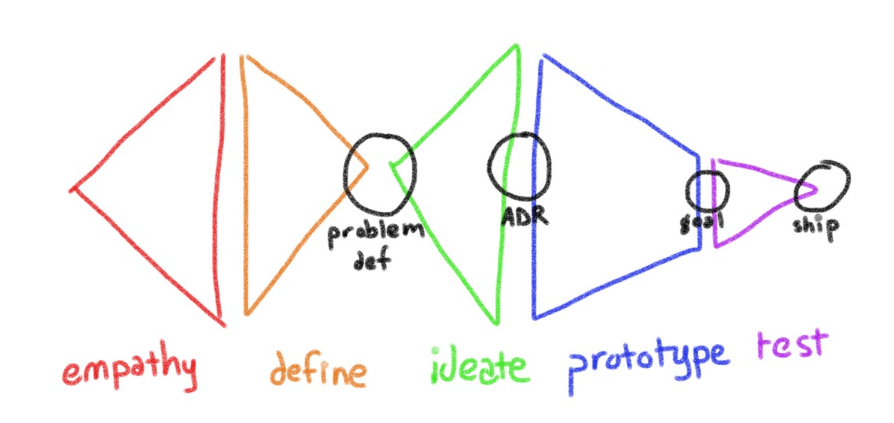
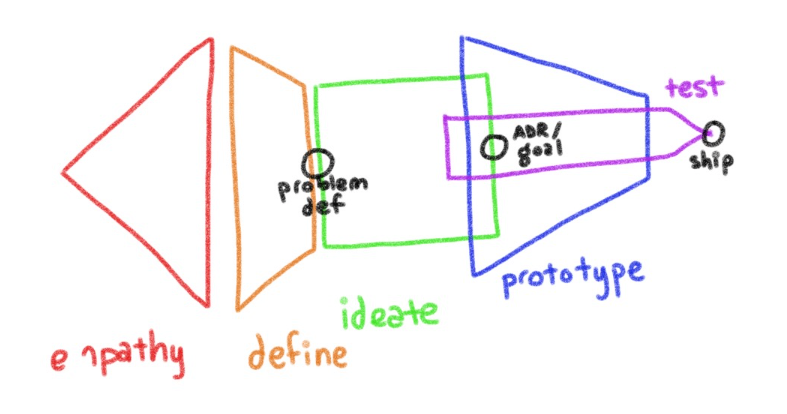
I had a lovely chat with Kate Chapman and Tom Henderson recently, where we discussed how the shape of technical debt is changing as people become “genie wranglers” and “robot life coaches” (their clever terms, not mine). Specifically, what does using AI mean about addressing pre-AI and accruing post-AI technical debt. Our main takeaway from this session is that commitments should happen at “the last responsible moment,” and AI pushes that moment later.
Human context: Cowritten with Tom and some AI agents; lovingly curated, proofread, and fact-checked by us humans, including Mark. We’re still exploring these ideas, so very much consider this open for feedback. We tried to bridge our academic approach with making things useful in a business sense. We are assuming you have made it past the “spicy autocomplete” phase of using LLMs in your work for this piece. It’s up to you how much you care about code quality for the purposes of this piece, but we think we’ll get into that in a potential later piece. In this article/series, we assume debt is taken on intentionally. This is often not the case, but that is a different problem space than the one we intend to explore.
AI technical debt is different from software debt because it shifts when commitments can be made in the arc of gathering information. We have historically taken on debt early in order to realize some value sooner. Now, we can gather information more cheaply earlier (in theory), and make our difficult-to-change decisions later. That changes the type of debt we’re taking on. It also makes testing even more necessary. You won’t be surprised to know that we’re highlighting and contributing to human judgement throughout, rather than trying to replace the humans. We hint a bit at product commitment points-in-lifecycles and decision making throughout this post, but we said NO to that side quest (for now).
Continue reading →