When Mihidied, we had some problems beyond just the holes in our chests and the salt in our eyes. 0) He was part of many communities – the medical community, the hacker community, the data journalism community, and many more. We wanted to create a site where these communities could come together, which was complicated as we are 1) activists of one flavor or another, and so most of us aren’t on facebook, 2) facebook memorial pages squick us the fuck out anyway12, and 3) there aren’t other accessible options out there for collaborative memorial pages3. Continue reading →
Global Voices is “a border-less, largely volunteer community of more than 1400 writers, analysts, online media experts and translators.” They’ve been around since 2005, weaving together locally-produced stories from all over the globe. They also have a translation community called Lingua, fight against censorship and for freedom through Advox, and their Rising Voices section works to empower civic journalists with microgrants, training and network-building. They deliver a huge amount of news in a startling number of languages, and they do so with humor and humility. Because they’re invested in the everyday experience of people, the community is also wide enough that when major news (like the beginnings of the protests in Egypt, Syria, and Turkey) breaks, a community of trust and support is already established around local reporters. This post initially appeared on the GVeX site on March 2nd.
Global Voices Exchange
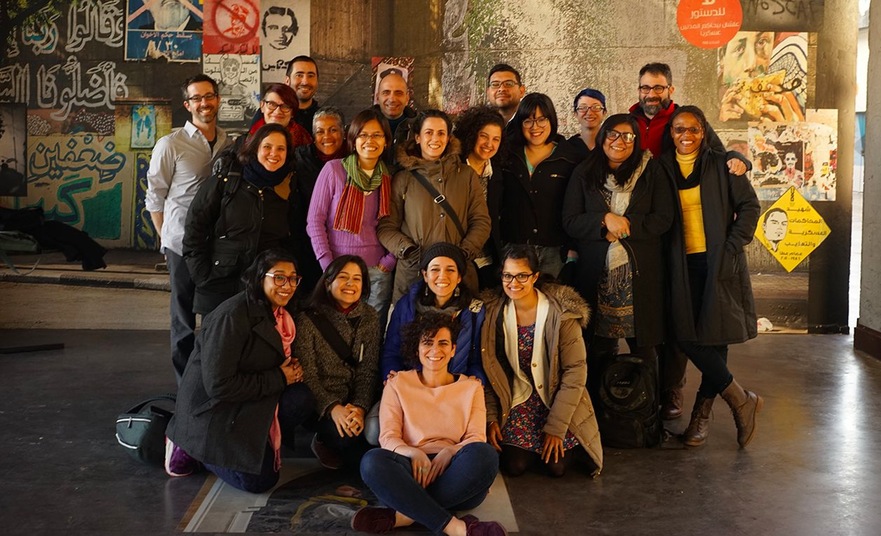
One of the projects recently launched by Rising Voices is Global Voices Exchange (GVeX). It aims to develop, document, and disseminate methodologies for digital advocacy campaigns in the Global South. In its inaugural phase, GVeX brought together women leaders working in digital advocacy and activism from the Global South to share, document, and refine their practices into a shared methodology—and to explore points of difference that might require a more country- or context-specific approach. The several-month-long project was accented by a workshop held in Marseille, France from February 15th to 20th, and I had the honor of facilitating.
Our event goals were to strengthen the network of advocates in the Global South, to scope and design preliminary content and structure for a strategic campaigning and advocacy guide for leaders moving into online advocacy in the Global South, and to form an action plan to test and review the guide after the workshop. The participants represented eleven countries each with a unique political and economic climate, specific concerns around equality, and a rich history. Each of them has an active hand in some form of training and advocacy within their own countries, either locally or remotely.
A (nonuniversal) guide
Every attendee had at least some experience with many of the amazing guides and manuals out there for building campaigns, for security, and for digital tools. Each of them was able to give at least one example of ways in these—supposedly universal—guides had either not fit their situation or offered information and advice that could put them at genuine risk. Would it be possible, then, to create a simple frame or scaffolding that someone in the Global South could use as a basis for exploring their own circumstances and designing a campaign tailored to their specific needs? The many guides that already exist provide a solid set of modules from which we could select. We explored this (and many other) questions while together.
Global Voices is ideally positioned for projects such as this—while much of design thinking, protocols and standards, and other aspects of technology aim towards one agreed-upon way of interacting, Global Voices takes the alternative view that sometimes the one thing that unites us is that we are all speaking our own unique and specific truths. And this isn’t simply a nice theoretical framing—it’s practice the community has lived for over eleven years, and counting.
Unifying a plurality of voices
Even though Global Voices successfully walks this talk, devising a guide based on that framing is a new and somewhat daunting task. Thankfully, with twelve women leaders and members of the Global Voices network putting our heads together over five days, the beginning skeleton of the guide now exists, as well as pockets of detail and a huge repository of documented knowledge waiting to be deployed wherever it’s needed. We learned, for example, about the ease and relative accountability of fundraising in Pakistan versus the illegality of obtaining resources for nonprofits and civil society in Venezuela. We now understand why people decide to remain anonymous in LGBTQI campaigns in Zimbabwe and walk together in Cambodia. And from our Palestinian participant I learned how to draw a tank, something I’d thankfully not yet needed to know.
Where we are at
We still have a lot of work to do, but you can look forward to seeing a draft of the guide at some point in the future. It includes things like measuring and communicating value. Many activists and advocates have difficulty expressing exactly what changes will happen in the world if they “win.” This section helps users explore their own hopes, what is culturally relevant, and what is possible to measure in order to demonstrate the effects of their campaigns and actions. Risk analysis (and response)—those operating in the Global South face a very, very different set of risks from people in other parts of the world, be it repressive regimes, violence against women, or a lack of connectivity. To design and implement culturally relevant campaigns we need to embrace these specificities. We also developed a module around building trust in worn-out communities. As a result of the same issues mentioned in risk analysis, trust in many of these communities is worn down. People working in these environments have experienced the actions of infiltrators, complete loss of institutional legitimacy through changes in political leadership or legal structures, and violent shutdowns of campaigns and organizations. To rebuild trust under those circumstances demands integrity and persistence—and the exercise we did on this topic produced some of the most charming drawings I’ve seen in a while, from our own Marianne Diaz.
Whether you’re from the Global South or not, tell us in the comments what would you want to see from such a guide. We have a huge amount of experience and intelligence in this beginning set of contributors, but as future users of such a guide, we want to be able to factor in your needs and ideas.
Thanks to the participants and organizers
Major thanks to the Global Voices crew of Eddie, Georgia, and Ivan for conceiving, driving, and most of all trusting this project. Mad props to Abir, to whom I already wrote a bit of a love note over on my blog, and who opened up her city and her heart for us to feel safe and stimulated during our time. Thank you to Tamara for her directness, to Arzu and Tanya for their facilitation, to Marianne and Sarita for being open and honest, to 88.8 for their venue and recording skills. Thanks to Sopheap and Zarah for jumping in with such enthusiasm and joy, to Nighat and Natasha for your leadership, to Mashiat for your hugs and insights, to Indira for your warmth, and to Dalia for always keeping things real and approachable. Thanks to Eric, Paul, and Liat for all your adaptiveness and translation skills, and to Gillo for his deep understandings of security teaching methods. I’m looking forward to seeing what we create together.
For the January salon at NECSI, Ethan Zuckerman and Erhardt Graeff led a discussion and workshop on civics in a distributed society. Both are at the Center for Civic Media at the MIT Media Lab, Ethan as director and Erhardt as a PhD researcher. We explored how people with influence/power/money try to create change in the world, how those affected by those changes view and respond to those attempts and changes, and also what we would do as people of influence/power/money.
Many thanks to Ethan and Erhardt for their valuable time and attention as well as images used in this blog entry, and to Erhardt especially for designing such a great workshop, and for suggesting edits to the blog itself. Y’all are pretty great. ❤ – w
Many people want to change the world.
Leverage through money or power
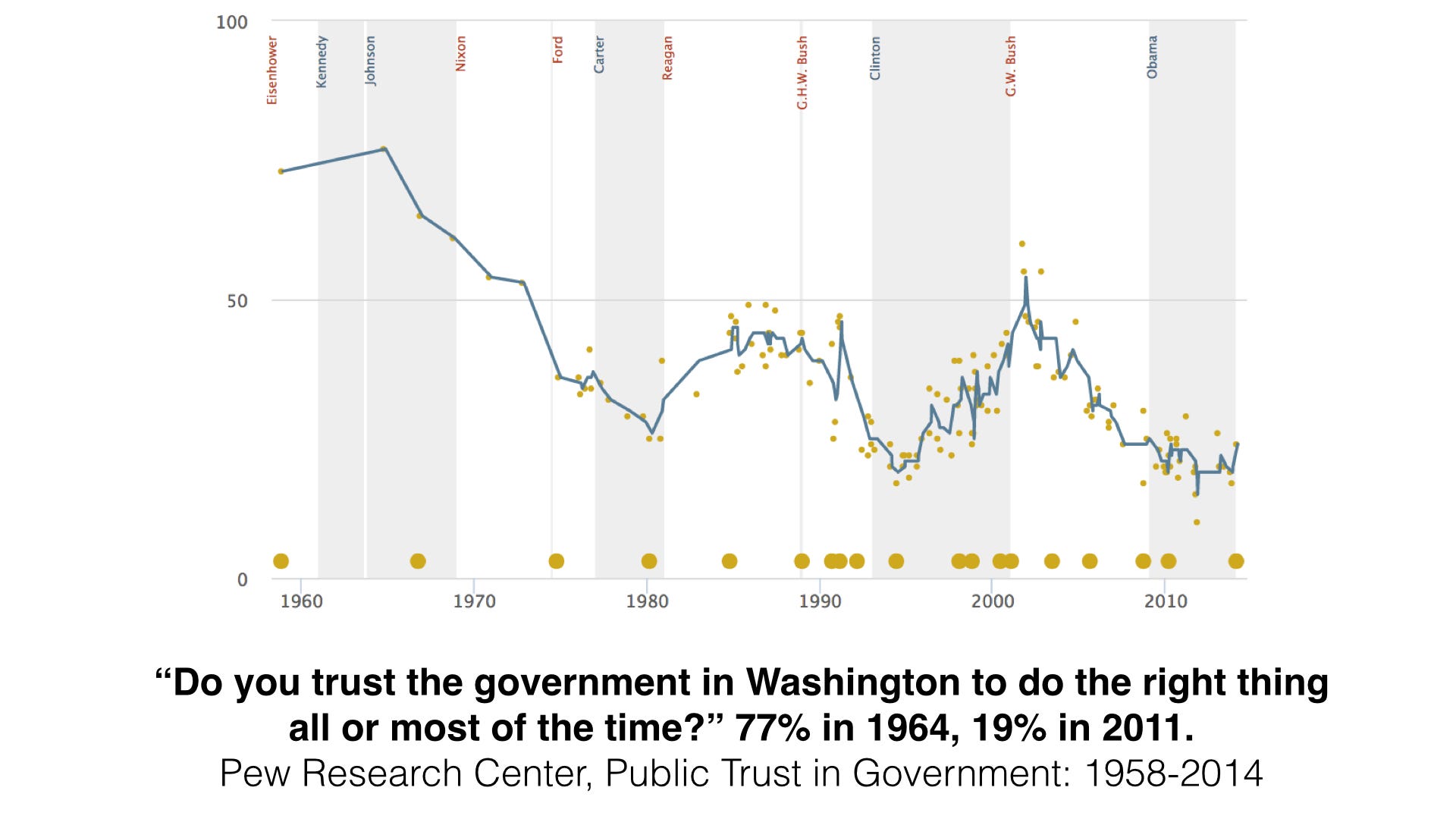
Democracy as it tends to be generally practiced is the act of selecting people for positions of power, and then pressuring them through petitions, protests, and letters. Ethan remarks that this is a remarkably impoverished view. We also interact with governance and our social systems based on what we buy (and don’t buy), where we live, how we speak. However, today our trust is low, and not just in government, but in institutions as well; and not just in the US, but all over the world (see Figure 1). (note: The origins of distrust may be traced to the high complexity of society that makes centralized decision making ineffective.) Many of us would like to change the systems we live in to improve the world. What strategies are available to make such change?
Figure 1
Among those who are trying to make changes are individuals and foundations with large amounts of wealth who strive to act in ways that will improve the world according to their perspectives and understanding. What strategies do they use to exert influence? How successful are they at achieving their objectives? Examples ranging from the Koch brothers to George Soros provide some insight. They might invest in think tanks, in market-based interventions, in campaigns to affect public opinion to place pressure on courts and elected officials.
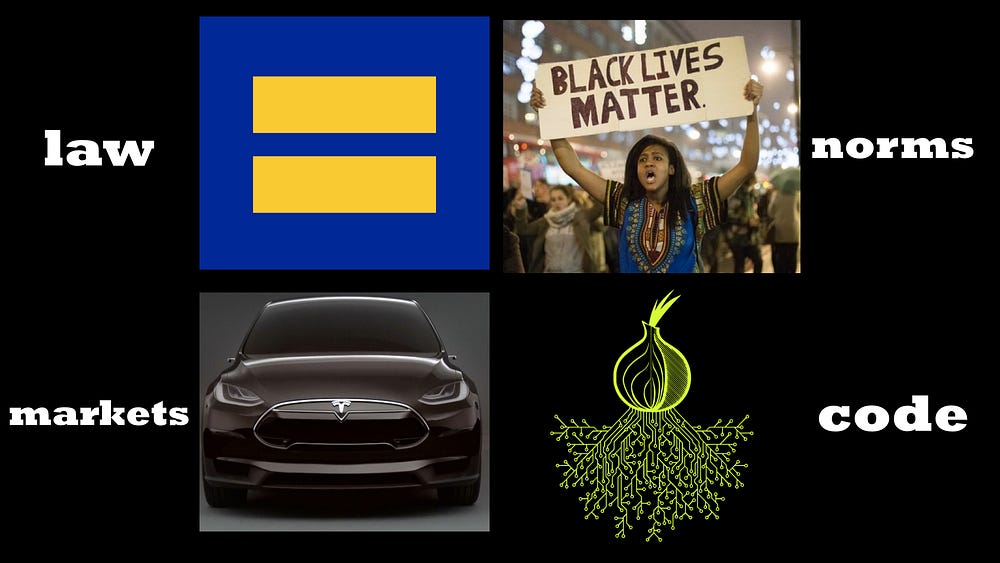
Regardless of whether an individual came to have influence through an electoral process or through access to wealth, Lawrence Lessig provides a framework in his book Code and Other Laws of Cyberspace on which most (if not all) change is attempted.
Four fulcrums
Laws are explicitly stated codes of behavior, created and enforced through governance systems.
Norms are often implicit social expectations, enforced through social pressure and assumptions of media and other communications.
Markets shape behavior by making some actions more or less expensive financially or time.
Architecture/Code are the frameworks that surround us and must be adhered to because we act within them. Today many of these frameworks are technological which might be called: the tyranny of the database, or how interfaces demand obedience.
How do you know if what you’re doing is working?
The enforcement of laws can be tracked. Market costs can be quantified. The use of an architecture implies success of its constraints (though choices of what architecture to use, and innovators, hackers and other reappropriators, provide freedom). Ethan and Erhardt primarily focus on changing norms. These are also arguably the most difficult to characterize and to discover if a hoped-for-change is occurring, as norms are often implicit, rather than explicit, and are distributed across the statements of individuals, groups and media sources.
At the Center for Civic Media, they think about norms and the attention economy, and one way of seeing shifts in norms in this view is by tracking how the media talks about a topic. They use a tool called Media Cloud for gathering media sources, creating visualizations, and comparing the words used to talk about topics of discourse. For instance, Erhardt analyzed the dynamics of the media conversation around Trayvon Martin through the roles of broadcast and participatory social media.
In short, creating change is hard, even if you’ve got money and/or power.
Here’s the video from our salon
More on the topic of civics in a distributed society from Ethan’s post about his keynote at Syracuse University’s Humanities annual symposium on Insurrectionist Civics in the Age of Mistrust (highly recommended, and most of the images on this blog comes from the associated slide deck).
How would YOU create change?
With this framing, this question was posited to the salon attendees. Erhardt facilitated an interactive workshop: “So let’s say you have 10 million dollars. What would you do, about climate change? Fund think tanks and organizations? Fund advocacy groups / passing laws? Fund research? Create tech to do things we can’t otherwise do?” The room divided into 4 groups, and then picked one of Lessig’s four means of interventions and brainstormed ideas.
What would you focus on doing, and how would you know if it was working?
Architecture/Code: Attach sensors to cars, trucks, and environments focused on transportation-based discharges of greenhouse gases. The emissions sensors could provide immediate feedback to drivers and city officials when emissions go to high and trigger sanctions.
Markets: Invest in a startup that offered green logistics/delivery services such as bicycles that would compete with truck-based last-mile services such as UPS and FedEx. Gain market share not just by comparative cost but also by being better for the environment.
Norms: Incorporate data about individuals’ carbon emission from how they live into their online social profiles so that their is an opportunity for social sanctions and desire for self-improvement is publicly viewable.
Law: Create policy that forced power suppliers to develop more resilient grids from renewable energy sources. The data would be monitored by the government for compliance.
We were also joined on Twitter:https://medium.com/media/636d0bf5ea05901a2a4a1b980c23e010https://medium.com/media/d9363c613a23182d898f47ff90bcf6d1
Summary
To shift the world, even with massive funding and assumed power, is difficult. All of the interventions discussed at the salon were at a speculative pilot/demo level. To know you’re succeeding through an intervention is also difficult. There was a realization that those who have money and power are often not wildly successful at changing the world because of the difficulty of understanding how constructive change can be achieved. Perhaps a few “why don’t you just…” phrases were put to rest. At the same time, as individual citizens, we saw how much of a role we have to play in societal shifts — perhaps more effectively in our distributed and connected networks.
“The exercise of designing a method for evaluating your campaign’s success often forces you to rethink and get more specific about your original intervention idea. When you need to turn your target and goals into dependent and independent variables to study and then worry about the timeline for change — it really complicates your view of how to make change. And I would say each of the groups felt this.
There was also a clear bias amongst participants toward norms-based change even though they were addressing legal fixes, market forces, or technical architectures. We all want to think that people will know what behavior is the right behavior once they have enough information. The fact that such a process takes many years and many interventions and runs up against cognitive biases where information counter to your position can leave people stronger in their problematic ways, is what makes norms-based change so hard. The goal of making sure that everyone in the workshop had a chance to think about laws, markets, and code as well helps concretize the need for many different approaches: carrots and sticks in various guises needed for a movement to make its mark. And $10mil is not a lot of money to start with.” – Erhardt
I regularly coordinate a salon over at the New England Complex Systems Institute. For the January salon at NECSI, Ethan and Erhardt led a discussion and workshop on civics in a distributed society. We explored how people with influence/power/money try to create change in the world, how those affected by those changes view and respond to those attempts and changes, and also what we would do as people of influence/power/money.
Many thanks to Ethan and Erhardt for their valuable time and attention as well as images used in this blog entry, and to Erhardt especially for designing such a great workshop, and for suggesting edits to the blog itself. Y’all are pretty great. ❤ – w
Many people want to change the world.
Leverage through money or power
Democracy as it tends to be generally practiced is the act of selecting people for positions of power, and then pressuring them through petitions, protests, and letters. Ethan remarks that this is a remarkably impoverished view. We also interact with governance and our social systems based on what we buy (and don’t buy), where we live, how we speak. However, today our trust is low, and not just in government, but in institutions as well; and not just in the US, but all over the world (see Figure 1). (note: The origins of distrust may be traced to the high complexity of society that makes centralized decision making ineffective.) Many of us would like to change the systems we live in to improve the world. What strategies are available to make such change?
Figure 1
Among those who are trying to make changes are individuals and foundations with large amounts of wealth who strive to act in ways that will improve the world according to their perspectives and understanding. What strategies do they use to exert influence? How successful are they at achieving their objectives? Examples ranging from the Koch brothers to George Soros provide some insight. They might invest in think tanks, in market-based interventions, in campaigns to affect public opinion to place pressure on courts and elected officials.
Regardless of whether an individual came to have influence through an electoral process or through access to wealth, Lawrence Lessig provides a framework in his book Code and Other Laws of Cyberspace on which most (if not all) change is attempted.
Four fulcrums
Laws are explicitly stated codes of behavior, created and enforced through governance systems.
Norms are often implicit social expectations, enforced through social pressure and assumptions of media and other communications.
Markets shape behavior by making some actions more or less expensive financially or time.
Architecture/Code are the frameworks that surround us and must be adhered to because we act within them. Today many of these frameworks are technological which might be called: the tyranny of the database, or how interfaces demand obedience.
How do you know if what you’re doing is working?
The enforcement of laws can be tracked. Market costs can be quantified. The use of an architecture implies success of its constraints (though choices of what architecture to use, and innovators, hackers and other reappropriators, provide freedom). Ethan and Erhardt primarily focus on changing norms. These are also arguably the most difficult to characterize and to discover if a hoped-for-change is occurring, as norms are often implicit, rather than explicit, and are distributed across the statements of individuals, groups and media sources.
At the Center for Civic Media, they think about norms and the attention economy, and one way of seeing shifts in norms in this view is by tracking how the media talks about a topic. They use a tool called Media Cloud for gathering media sources, creating visualizations, and comparing the words used to talk about topics of discourse. For instance, Erhardt analyzed the dynamics of the media conversation around Trayvon Martin through the roles of broadcast and participatory social media.
In short, creating change is hard, even if you’ve got money and/or power.
Here’s the video from our salon:
More on the topic of civics in a distributed society from Ethan’s post about his keynote at Syracuse University’s Humanities annual symposium on Insurrectionist Civics in the Age of Mistrust (highly recommended, and most of the images on this blog comes from the associated slide deck).
How would YOU create change?
With this framing, this question was posited to the salon attendees. Erhardt facilitated an interactive workshop: “So let’s say you have 10 million dollars. What would you do, about climate change? Fund think tanks and organizations? Fund advocacy groups / passing laws? Fund research? Create tech to do things we can’t otherwise do?” The room divided into 4 groups, and then picked one of Lessig’s four means of interventions and brainstormed ideas.
What would you focus on doing, and how would you know if it was working?
Architecture/Code: Attach sensors to cars, trucks, and environments focused on transportation-based discharges of greenhouse gases. The emissions sensors could provide immediate feedback to drivers and city officials when emissions go to high and trigger sanctions.
Markets: Invest in a startup that offered green logistics/delivery services such as bicycles that would compete with truck-based last-mile services such as UPS and FedEx. Gain market share not just by comparative cost but also by being better for the environment.
Norms: Incorporate data about individuals’ carbon emission from how they live into their online social profiles so that their is an opportunity for social sanctions and desire for self-improvement is publicly viewable.
Law: Create policy that forced power suppliers to develop more resilient grids from renewable energy sources. The data would be monitored by the government for compliance.
To shift the world, even with massive funding and assumed power, is difficult. All of the interventions discussed at the salon were at a speculative pilot/demo level. To know you’re succeeding through an intervention is also difficult. There was a realization that those who have money and power are often not wildly successful at changing the world because of the difficulty of understanding how constructive change can be achieved. Perhaps a few “why don’t you just…” phrases were put to rest. At the same time, as individual citizens, we saw how much of a role we have to play in societal shifts — perhaps more effectively in our distributed and connected networks.
“The exercise of designing a method for evaluating your campaign’s success often forces you to rethink and get more specific about your original intervention idea. When you need to turn your target and goals into dependent and independent variables to study and then worry about the timeline for change — it really complicates your view of how to make change. And I would say each of the groups felt this.
There was also a clear bias amongst participants toward norms-based change even though they were addressing legal fixes, market forces, or technical architectures. We all want to think that people will know what behavior is the right behavior once they have enough information. The fact that such a process takes many years and many interventions and runs up against cognitive biases where information counter to your position can leave people stronger in their problematic ways, is what makes norms-based change so hard. The goal of making sure that everyone in the workshop had a chance to think about laws, markets, and code as well helps concretize the need for many different approaches: carrots and sticks in various guises needed for a movement to make its mark. And $10mil is not a lot of money to start with.” – Erhardt
This blog entry written with substantial input and support from Meredith L. Patterson.
Aspiration has taken on Weaponized Social as an extension of our commitment to solidarity with our community and to equality in our interactions with and through technology.
Better Tools for a Better World
Our work to support more people in their existing efforts by making use of technology has a peripheral effect of bringing historically marginalized populations into online space. And as the ever-larger online community welcomes new people, we have not only an opportunity, but also an obligation, to do so with more intent and understanding than society has tended towards in the past. When we speak of online intimidation or harassment, regardless of the perpetrator or recipient, culturally we struggle with issues of accountability, enforcement, and identity.
It’s a Disaster
We’ve had a few events (NYC, Nairobi, and San Francisco). From these, and ongoing conversations on the mailing list, the wiki has been expanded and cleaned up. It now includes clearer indicators of how to make use of it, as well as a restructuring into the same framework as the disaster cycle. The disaster cycle falls into preparedness, response, recovery, and mitigation. More details on these, along with the added aspect of being an extreme event, can be found on the wiki, with projects and resources listed below each aspect of the cycle. Event notes and project specs continue to also be hosted on the wiki. What are not found on the wiki are academic resources (which can be found in this literature review compiled by friends), nor organizations and initiatives (which Tactical Tech recently curated here).
This approach was taken because many conversations in this space are derailed when discussion of intentions and tactics are conflated. For instance, #hoodsoff revealed the identity of those both in positions of political power AND who were members of the KKK using the same tactics which those same activists might find untenable in regards to doxxing of visible feminine gamers. Or that the tactics used against Brianna Wu and Chris von Csefalvay match at a pattern level that goes beyond that specific instance of escalation. This is where Weaponized Social seeks to explore and intervene, because human rights apply to everyone, including ourselves and whoever we might perceive to be our enemies. “Lead by obeying,” as the Zapatistas say.
Who Watches those Watching the Watchmen?
On the same note of rules applying to everyone equally, including the rulers, and of making the conversation clearer, the Weaponized Social crew has also been ruminating a fair amount recently on how accountability and enforcement factors into all this. When people treat each other in unethical ways, our current social systems indicate bringing the law (and associated enforcement) to bear on those breaking the rules. But we are currently facing a long-overdue distrust in enforcement, especially in police. So just as we’re running into the network effects of negative human interaction, we also have no successful foundation to build upon to mitigate through enforcement. The conversation is therefore further confused by asking who should be holding whom accountable, how do we know that’s being done fairly, and how does enforcement happen? Some are turning to community, some to law, some to software platforms, some to police, etc. Each of these may become a viable option. It’s more likely to be a combination therein, and it’s important to think about the historical patterns of enforcement as well as the repercussions of unchecked social errors.
What’s Missing?
The glaring hole which was surfaced by restructuring projects and pieces into this framework is a complete lack of recovery (it’s also totally possible that I’m just not aware of it. If you know of any, please send them our way!). Preparedness and response are necessary and worthwhile aspects to cover, but we offer no long term support or recompense to those who have been affected by the weaponization of social so as to make them whole again. Even legal and policy interventions seem to linger in only half of the cycle, when arguably institutions are responsible for longer term stability (leaving the network to adaptation). This is heartbreakingly familiar, as it’s the same in response to offline disasters.
Additionally, as the conversation expands and deepens, more individuals and organizations are beginning to see their responsibility in encouraging healthy interactions. A few requests have now come in for guidelines in making tools and platforms which take into account these issues. We’ve started to describe the various vectors of online communication which might be fiddled with, and we welcome your feedback!
What I’m excited about is how much of the Weaponized Social crew (most notably, Meredith and TQ) has focused on the mitigation aspect of the disaster cycle. How can we change the very way we do things, to become more pro-social for everyone? We welcome your perusal and contributions to any of the projects on the WeapSoc wiki, but these are the ones I’m most excited about.
What’s Next?
What’s up next is a discussion with Meredith et al to historically, theoretically, epicyclically, technically explore the weaponization of social interaction, such that we can arrive at better interventions. To start, we might discuss the history of liberal social justice and identity politics social justice, cognitive biases, and network effects. You can tune in December 18th at 11a PT / 2p ET by registering here.
We’re also starting to explore a code sprint on some of these tools. If you’d like to get involved, please let us know!
This post is a collaboration between Margaret Killjoy and yours truly. If you find yourself in need of a co-author or ghostwriter, or just generally like to be challenged and your hopes dashed and lifted at the same time, please reach out to them.
“If you are neutral in situations of injustice, you have chosen the side of the oppressor. If an elephant has its foot on the tail of a mouse and you say that you are neutral, the mouse will not appreciate your neutrality.” Desmond Tutu
Four years into the Syrian Civil War, with no end in sight, the Syrian refugee crisis is just getting worse and worse. More than four million people have fled their homes and sought refuge in Turkey, Europe, and throughout the world.
There are wonderful grassroots initiatives (most too informal to even call “organizations”) who are on the ground in Europe helping Syrian refugees navigate the nightmare they’ve been thrust into (bureaucracy and xenophobia) after the nightmare they’ve escaped (the Syrian civil war). But as crucial as it is to meet these people’s immediate needs, it will take more than emergency aid to solve the source of this crisis and ones like it. It will take radical, political solutions.
Relief organizations and related nonprofits could position themselves to advocate and act towards / in alignment with those solutions. Which is to say: we need humanitarianism, yes, but if we’re going to find long-term solutions, we also need politicized humanitarianism.
When we speak of people and groups being politicized, we don’t mean campaigning and/or voting for elected officials every few years. Instead, to be political means to do work that addresses the very way our society—and its decision-making—is structured. For many of us, to be political also means to embrace the feminist concept that the personal is political—that the way we interact with one another one-on-one cannot be divorced from the broader structures of social control. Continue reading →
At Cascadia.JS in 2014, I picked up a tshirt from the freebie pile. It’s pink. I know — I was also shocked about this, but the quote on the front was so good I had to go for it. “We don’t know what we’re doing either.” On the back is a subtle “&yet” which I learned was an open source consulting company (ish). Neat! — humility, a culture that accepts shirts which are both pink and comfortable, and a nuanced logo. I especially love wearing this shirt in academic and tech-centric situations.
A few months ago, Case asked my consent to be put in touch with someone on the &yet team — they had a conference coming up, and had suggested I speak. Our phone conversation was brief, but it sounded both fun and values-based, so I said yes (a rarer and rarer thing for me these days), and so I spent Wed/Thurs/Fri of last week in Richland, Washington. If interested, here are my drawings of others’ talks, my slide deck, and the paper I referenced.
It is now easily one of my favorite large social experiences. Music, art, and story were woven throughout the conference, all evoking self-reflection on our role in the path the world takes. It was already populated by some of my favorite people in this space (the aforementioned case, plus ben, jden, kawandeep, etc), and the textcapade starting weeks in advance, recieving letters from another character in the story by mail, all playing through these struggles, had me jazzed up long before the event.
The talks were a beautiful mix of art demonstrations, hopeful distribution structures, empathy arcs, and design philosophies. Inclusion was constantly present, and never for its own sake, but rather from a deep understanding that these are the voices that make up the world. The care &yet took of attendees (and encouraged us to take for each other) opened space for some rather heart-wrenching moments. Please, check out the talks when they go up.
While all of this is amazing, I want to talk about the trust and responsibility that &yet placed in the attendees. The storyline was a surprisingly nuanced version of one of my own ongoing internal battles — burn it all down, or patch to save what we can. (The mixed-mode system work is my attempt at making these transitions graceful, by the by). At no point was a clear value judgement imposed upon the story, or implied to the players. The textcapade transitioned into a sort of backchannel for actors in the parts of those sending the messages at points during the conference, and this archetypical internal battle continued to be played out there as well as by stage actors between talks. Continue reading →
On January 28th, the monthly salon gathered at NECSI to discuss ethnic violence from the lens of complex science. Yaneer Bar-Yam, president of NECSI, gave a brief talk about NECSI’s paper about modeling violence. Marshall Wallace, past director of the Listening Project, also gave a quick talk about his field experience with communities who opt out of violence. Again on Feb 4th, NECSI hosted an informal discussion around the case study of Libya. What follows are my big take aways and Sam’s asides, embedded into the fairly rough live notes from the salon. I call out these take aways and asides specifically because note takers often are lost in the notes, just as a photographer is never in the picture. We hope you’ll join us on Wednesdays of this month to begin exploring medical systems, on ensuing fourth Wednesdays for structured discussion, or on other Wednesdays for more informal times.
I am primarily left with a sense of purpose towards fostering collective intent towards alleviating suffering. In this entry, you’ll see a few ways large-scale violence is posited to be avoided. It is my personal opinion (of which I will opine at the end) that diversity is the key to equality as well as dignity, based on both the complex systems modeling and field experience framing these discussions.
But first, what do we even mean by “violence”? We’re referring to violent events occurring at level of massacres or bombing. These levels do seem to be slightly contextual based upon general violence levels in the area.
When doesn’t violence happen?
Violence doesn’t happen when
all your neighbors are like you, or
all of your neighbors are varied (integration of diversity).
The space between these is where difficulty lies, when not all of your neighbors are like you, but not so consistently unlike you that diversity is the norm. Well then, what do we mean by “neighbors”? It ends up this is very geographically based, and roughly the distance you can traverse in a day by foot or horse (20–40 km), which leads us to believe these tendencies might skew with new travel abilities. Running these models matched up to actualities in Yugoslavia, India.
Some examples
Can either impose integration or separation, intentionally or subconsciously:
Greece and Turkey offered to send each other their people.
NYC has small patch sizes geographically. But we don’t know how things scaled, the density of people.
A third way to avoid violence: boundaries
The distance you might walk in a day-if there are boundaries around this, unlikely to have violence. These boundaries can be either political or physical. The idea behind this is that if there’s a grouping of a people of a given size in a certain space, they start to impose their values on that space. Others coming through, or “encroaching” who don’t hold the same values would seem to be intruding in a way which violates those values.
If we have patches of that size, can we create peace? Tested the models in Switzerland, which both has diversity of values as well as a general lack of violence. It ends up the mountain rages act as boundaries. Where these boundaries are insufficient, as represented in the models, is where the people do enact violence. Switzerland’s response to these rare pockets was to place a canton, which reduced that violence. Cantons throughout Switzerland are thoroughly mixed by demographic or not at all, which coincides with no violence in these models.
Field Perspective
The clashes in India indicated by census-data overlay are also the area called the Red Corridor, where the Maoist insurgency takes action. That doesn’t show up on the census — and so doesn’t show up on the map models. Gujarat in the West has occasional flareups. There patch sizes may be 20–40km, a lot has intense mixing as well. But there’s a lot of political effort to create separation. It’s intriguing to me that patch size [and equivalents, in other jargon] comes up again and again. Population of Kenya is really dispersed, but the patches of conflict is indeed on the 30/40 km range already referenced. In short, there are alternative explanations for what’s going on — which significantly match up with the models, which is interesting.
from Wikimedia Commons
Creating boundaries
In Rwanda, there were many separations as well as integration. What was happening there? There were boundaries — were these simply in the wrongplaces? In India, Pakistan, Afghanistan, the borders are in the wrong places. The people who live there will tell you that. It’s nice to have models which indicate the same.
Creating new provinces: Kenya has also tried this. [aside: contrast w/ gerrymandering? -s] Power dynamics come out in these processes — people aren’t putting borders in right places. What are their intentions?
Lots of Marshall’s work is on the unintended consequences of delivering aid. Interventions often see the arbitrary boundaries which exist, and work with those boundaries. As an example, one hotbed of violence in Kenya had a mass migration. Those migrating clustered as the villages they had previously been in, but settled across a border between two states was. One state side was Anglican, the other side was Protestant. As the aid agencies only worked on one side of the border or the other, religious conflict emerged as one area simply got more attention and aid than the other. Religiously-aligned people previously uninvolved due to geographic distance got caught up in the conflict because of the way resources were brought into the space.
This relates so painfully to my experience in humanitarian and disaster response, where funding and support are silo’d arbitrarily or based on arbitrary policy, rather than on actual need and people. Marshall’s experience is in the extreme of how this can play out, and we must be cognoscente of it as we build tools and engage with communities lest we fall to the same fate.
Field and Model
YBY: the largest Swiss canton is also separated into circles, separated by religion.
In Rwanda before the violence, the Muslim population was about 10% of the total. The Muslim community as a whole stayed out of the genocide, didn’t kill others. The Hutu Muslims didn’t kill Tutsis, et cetera. Some people suggested that they didn’t participate because they had clustered themselves. This model would say those patches should have been targets for others… note there was also class-based violence within whatever else was happening. Maoists would tell you this is what’s happening there as well, not linguistic or religious conflict.
Are these patches the right size? Too small? Too far apart? People tell stories afterwards, but want to see the system.
Questions and Answers
Can be found where we took live notes, to be aware of attention spans and word counts. My favorite bits include:
Can we us stories to change a zero-sum mentality to a winning™ mentality?
MLK talking to white America about their myths of fairness and justice and equality.
Breaking points, with examples from peace demonstrations that devolved into violence after a rock was thrown through a window, often by non-participants.
Breakout Sessions
Conflict patch analysis: what’s needed next?
Many times people make up differences if they don’t exist. So to what degree is this inescapable? How to identify the identity the factors that matter the most at a given time? Again, more in-depth notes exist on our live notes, with top-level thoughts as:
How do we get to predictions or global scope?
How do we refine the model / what might be changed?
What other data is possible?
How do we prioritize where to look?
Failed States
Belgium as a stable failed state: little violence, garbage still gets picked up. Libya as an unstable failed state: lots of violence, no civic infrastructure. Often places in distress are able to ask for, and hopefully receive, outside assistance. Bolstering from the UN, outside trade support, etc. Besides this large-scale response, local individuals can also receive training and credibility from well-respected and known entities such as UNHCR, Red Cross, or academic or medical institutions; then return home to increase the quality of life and stability of an area. Groups like ISIS break these models, as any external entity (and representatives of such entities) are met with dangerously high levels of threat.
I’d like to point out that the Kurds seem to be doing pretty well (not to diminish their substantial losses) at responding to these sorts of issues, as a distributed group as well. We just don’t like to pay attention to them, as they’re feminist Anarchists.
Closing thoughts from salon
There are a lot of people working on peace and negotiation in Boston (where the Salon took place). We (NECSI) don’t know them yet, we need to start reaching out to them and offering to engage with them. We have a simple model that provides a deep lens, and would like to help move beyond the meme of “all just get along” to an understanding that this may not always work.
NECSI takes part in ongoing conversations with military groups. Do theytalk about these issues — ethnic violence? Yes, with a focus on anchoring discussions in the sense that we’re really an integrated world now. The US is no longer in “out-group” conflict: we are an integrated system. [socioeconomic; also environmental ++] Military is vey forward thinking, compared to health care.
Strategists tackling complexity are often still constrained by policy. We still believe we’re looking at a whole system. The approach of blaming individuals versus governments in recent conflict is related to this shift, represented in part by things like not being able to work with refugee groups in Syria because they’re classified as terrorists. This also relates to how difficult things are with Dadaab, the Somalian refugee camp in Kenya, based on migratory patterns and tribal tensions.
People also talked about scales and stories. A single person can do a thing that matters, and that’s exemplified in both the model and from the field. Does that make this a universality class? In a similar thread, we wondered what can be done in actuality, within people’s comfort levels? How do we encourage people to understand complexity so it’s in their intuition when they make choices?
Maryam and I joined remotely, and had a discussion in our chat about if it’s ethical to separate people by imposing boundaries, or by opting for the “my neighbors should be like me” model over avoiding violence through going for “all my neighbors are different from me (and each other), and that’s ok!” model. In the social sciences, there’s a strong advocating for integration because of the empathy it forces. People tend to self-segregate (this is called homophily, or “birds of a feather”) as it’s easier to be around people who already “get it.” But it’s also easier to avoid noticing how badly others might have it, if you don’t have to see them on a regular basis. See also gentrification, gated communities, slums, etc. When schools in the US were being racially integrated, that was the point that was made (and what proved true) — ends up “separate but equal” does not, in fact, work. Maryam pointed out that the schools are still gender specific in Iran, and that she fears this adds to tension and lack of understanding on all sides. So, while separating out genders, or races, or religions might make things safer in the short term, wouldn’t this lack of empathy and understanding make things less stable and healthy (read: equal, just, dignity for people) in the long run?
My lingering question is about how to maintain important cultural practices while also advocating for enforced empathy.
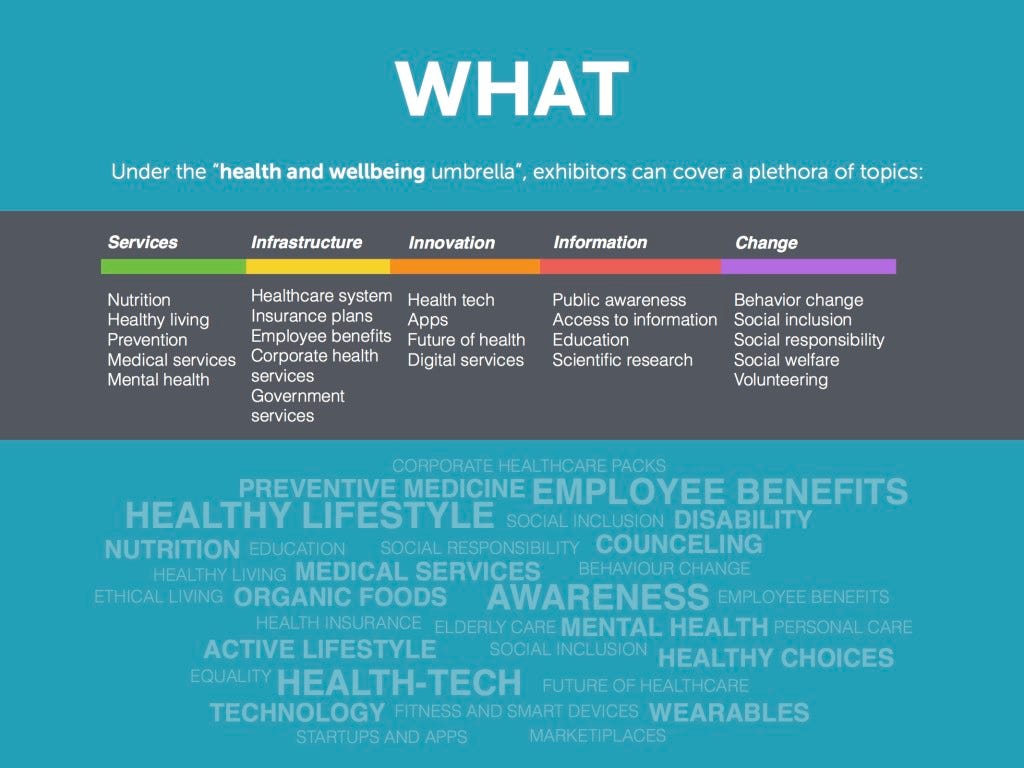
NECSI’s action-based 4th Wednesday Salon focused on First Day. This is an event which provides the resources, framing, and impetus to take personal responsibility for community health. It is not a fix-all, but is it an important, missing piece in the US health care debate, and a fulcrum for connected shifts to a healthier society.
On Wednesday, March 11th, we will hear talks from Deb Roy from the MIT Media Lab, Devin Belkind from OccupySandy, and Sam Klein from Wikimedia on Distributed Organizations. Register here.
First Day is about taking personal responsibility for your own wellbeing at personal and global level. Inspired from the idea of regeneration and new year resolutions, First Day wants to create a community level engagement at a personal level and community level.
Deck created by Catalina Butnaru
We assumed those attending would be both in a position to, and have a desire to, act. The Wednesday before had provided space for folk to ramp up to this state, including review of readings about a similar Wal-Mart initative. We were additionally inspired by Boston’s own First Night and City Awake.
After very short reminders of what we were there to accomplish for the day, each person introduced themselves and what they were interested in specific to First Day. From these, we pulled out a few break-out sessions tasked with creating an actionable list or guidelines for organizers to work with. The overarching points we ended with were an appreciation of the need of safe space for people to ask questions which might otherwise be taboo (especially around health), comfort in complex problems having interventions (especially with a light hearted attitude!), an appreciation for existing cultural events (Days of the Dead as well as Chinese, Tibetian, and Indian celebrations of new cycles and health), and holistic approaches to mental and physical health.
Slightly curated notes follow:
Refining the Message
learn + care + act: as leitmotif for everyone there. First Day for partners, participants, sponsors: to learn, care, and act
about yourself, your family, about your network or patients, about particular communities or conditions
make this informal and welcoming. not a sale, no marketing. focused on topics, not on selling a solution
Existing networks focused on outreach and some of the above:
health service initiatives (startups, tools)
charities, publicity campaigns (often by condition)
Topics for the Fair: areas of most uncertainty, people need reassurance
old age : alzheimer’s, self care, company
insurance: finding doctors
getting regular care: what is available; insurers: in position to ensure people go to the doctor
intervention: what is possible, appropriate [mental health, &c]
maternity: starting a family, childbirth,
chronic pain: exercise, rehabilitation
Stakeholders, defining motivation for each community
Business
Academic
Public
Something the community wants to give, or to solve. A reason to meet together, around what subject. Totally open, or guided topic. If you have a different parts of the community get together and decide on the community level about commitments.
A topic that you care about is more attractive than a generic health fair; which is more attractive than a topic you don’t care about. A celebration is more attractive than an informational event.
So — Invite people to ‘come find your health problem’ at a gathering? Have something like this founded in games and science and discovery?
We focused on ‘Health’ rather than personal resolutions and commitments (compare WalMart’s annual event). What if this broadened to personal improvement?
How to make the event actionable in the moment
Optimize for games and Aha! moments. Fun, Groups, Feedback. How we provide value to the community: value as an outcome, fun as a driver.
Creating a network — Learn and Connect. Make friends.
example of phones off in class — bigger reward when the group acts in a certain way (Minority Problem).
community or neighborhood paired to itself. Not just an aggregation of individuals, but something you participate in together. Collective.
Make it Fun
Gamifying the event + identification with a group + finding incentives to do more given group identification It’s empowering to make it feel comforting, so we can break the barriers of shame, taboo, to actually address serious problems in a comforting way FUN is the reason to bring them together, and the outcome is learning, value and community building
Working through one Topic
This group discussed if we’d like to focus down on one topic. Topics that impact people’s lives, but action can be taken from prevention to treatment at community level based on how far along a condition is. Possibilities included chronic inflammation, lack of sleep, water, allergies/intolerance, addiction.
Implementation
Distributed component in addition to central fair?
Checklists for different levels of society
for cities: checklist for things to do on First Day: walk in clinics, talk about collective obligations, &c
for community leaders: checklist for your flock, events and outreach
for individuals: checklist for self, talk to your close family (and friends)
for organizations: send people to learn, reflect on what you can improve
for sponsors: ways to reflect, amplify this community process (compare WalMart day of health & resolution)
Things to worry about
How to vet organizational participants. Choosing a date that makes sense. First day makes sense;
Deck created by Catalina Butnaru
also considered existing health related holiday things that we might plug into. Boston: marathon! Chinese / Tibetan New Year. (Tie in with each community)
Avoiding duplication, can we build, augment, etc? Or is redundancy ok? Preventing across co-option. Trademark transmission
Closing Comments
Thanks to everyone who came out and made the event amazing. We look forward to building First Day with you!
We will explore themes of reduced access that have developed out of tensions in property-holding, leases, and contracts; forms of control exerted or facilitated by the state, by law, and by other institutions; and exclusions of class, race, and gender. We believe that history has lessons to offer about how change is introduced to society. In taking this long perspective, the conference invites proposals that look backwards in order to look forwards. Academics will have an opportunity to be inspired by the practical questions of activists acting in the present, as activists talk about their work, their present projects, questions, and concerns. Activists, in turn, will have the opportunity to articulate large structural conceptions such as capitalism, empire, or debt in relation to access to land and water.
I’m here because the organizer, Jo Guldi, has been a dear friend and on-again off-again roommate of mine since my move to Cambridge in 2013. Through her, I have begun to see the underlying fabric of many social justice causes of who has access to what, and how important a long-term view is.
Opening Remarks
The opening did a beautiful job of framing the conference overlap of activists and academics, with author John M Barry speaking about seeing himself as an academic who speaks the truth, and is therefore seen as an activist/environmentalist. As the beginning of what would be ongoing themes of access to information and accountability, he also pointed out that while both legislation and media are pointing at the levees in Louisana being the culprits of land loss, locals know it’s because of the oil industry dredging canals in order to place equipment. The permits for dredging explicitly indicate that backfill must happen within 90 days of the dredging, and yet years later it still hasn’t happened. He states that the oil industry should be paying for fixing the part of the damage which they have caused — no more, and no less.
The Technology and Infrastructure panel focused on the interlinking and continuum between these, with a hopeful view of new opportunities, and a historical grounding in past efforts. We heard from:
Dorn Cox, of FarmHack, on open-source engineering and the economic support of small holders
Mark Healey, University of Connecticut, on dams, territory, and utopian schemes for water governance in Argentina
Don Blair, of Public Lab, on the new cheap age of water quality monitoring, solar, and everything else
Timothy Gorman, Cornell University, on the politics of water management infrastructure and salinity control in the Mekong River Delta
David Kinkela, State University of New York, on the history of plastic waste
I like that this conversation didn’t look for One Silver Bullet to Rule Them All, but rather looked at the systemic issues of externalizing costs and accountability. Represented were both extremes of citizen science in Louisiana holding governments and corporations accountable (or at least proving damage, even if no further steps were taken), as well as communities in Vietnam tearing down government-sanctioned levees so they could continue raising salt water shrimp for higher income than they might get from farming rice. We asked who gets to ask the questions, and to what purpose (a story, a court case, a profit, etc). Another theme was that of externalization of cost, with recycling becoming the responsibility of the consumer, rather than industry needing to produce degradable items. All returned to the topic of the conference – a long term perspective, and who both pays and benefits from which choices.
During our breakout session, we talked about failure as both not talked about enough, being the only framing for continued financing of municipalities, and how great the idea of “releases” in software is as a way to establish the mindset of iteration. We also discussed how closed off most data is, and how imperitive it is to share in order to establish a baseline and scientific rigor.
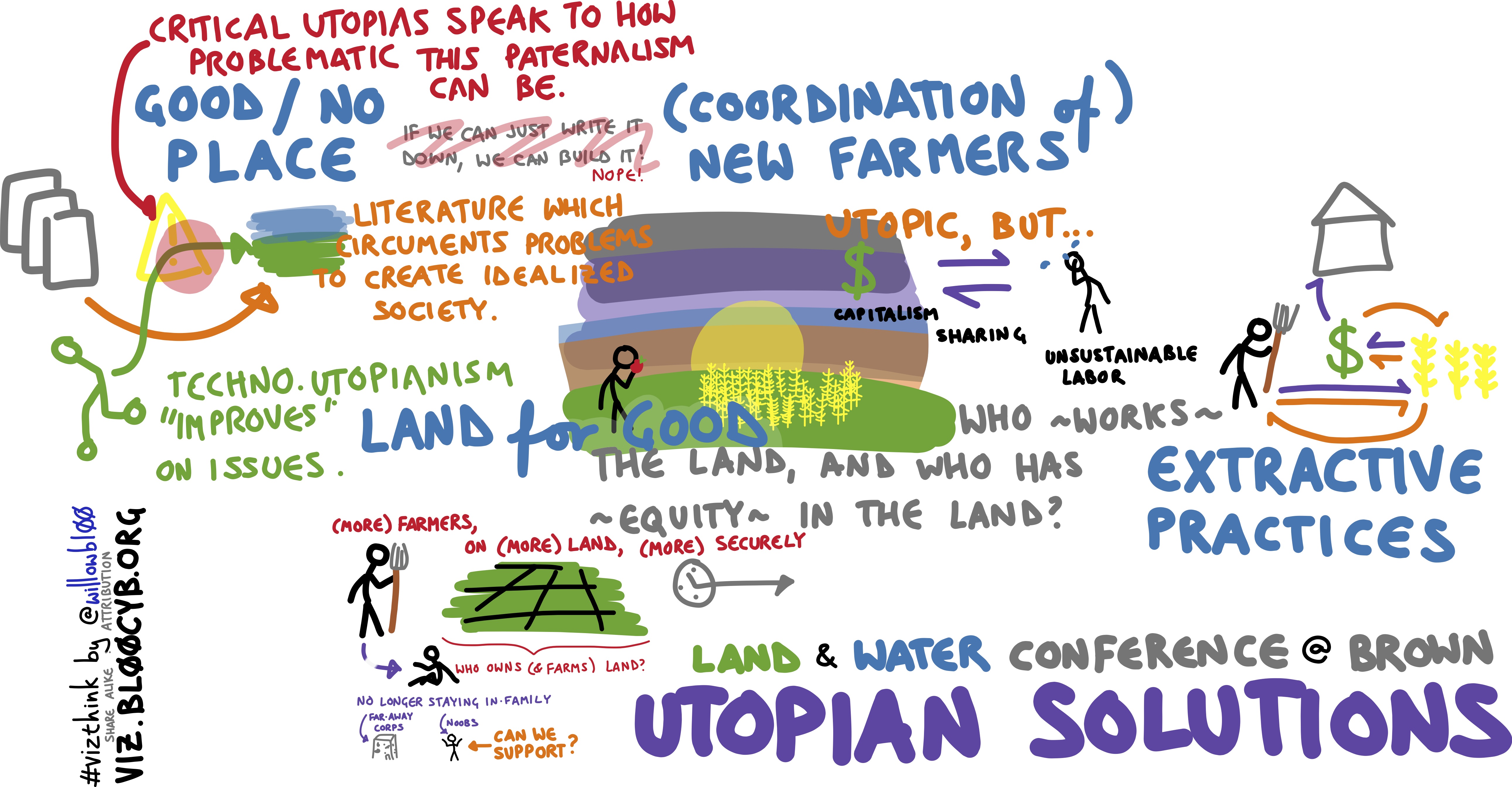
Utopian Solutions
This panel focused on what utopian ideals have to do with how we approach land and water access issues. We heard from:
Christopher England, Georgetown University, on Henry George and why the rent is so damn high.
Paul Graham Raven, University of Sheffield, UK, on how meta systemic infrastructure reifies the post-Enlightenment dichotomy between society and nature, and the potential for more sustainable infrastructures.
Thomas Summerhill, Michigan State University, on the historical successes and failures of democratic rural movements in New York and what they can tell us about the age of fracking.
Tess Brown-Lavoie, of Young Farmer Network and Sidewalk Ends Farms, on the future of farming.
Jim Hafner of Land for Good on the role of land tenure, reform and forms of “management” as environmental/land enclosure.
This conversation focused on the disconnect between those who work the land, and those who have equity in the land. Tess focuses on working the land (and organizing others who do the same), Jim on how to ensure farmers have ongoing access to their land, Thomas on historical manifestations of these tensions, Christopher on why land use is so tied to rent levels, and Paul on the overall idea of utopia. We walked away understanding that democracy isn’t enough to combat corporatism, and that we need to organize ACROSS borders in order to combat (inter)national corporations/capitalism
So far as the ideals of utopias, rather than blueprints to “just deliver on,” can we try out different “solutions” in a way which still celebrates free will? Utopia is a horizon, but we should expect (or even wish) to reach.
Closing
Laura Gottesdiener on Water, Housing, and Land: The Battle for American Cities


 It is now easily one of my favorite large social experiences. Music, art, and story were woven throughout the conference, all evoking self-reflection on our role in the path the world takes. It was already populated by some of my favorite people in this space (the aforementioned case, plus